
 DE
 EN
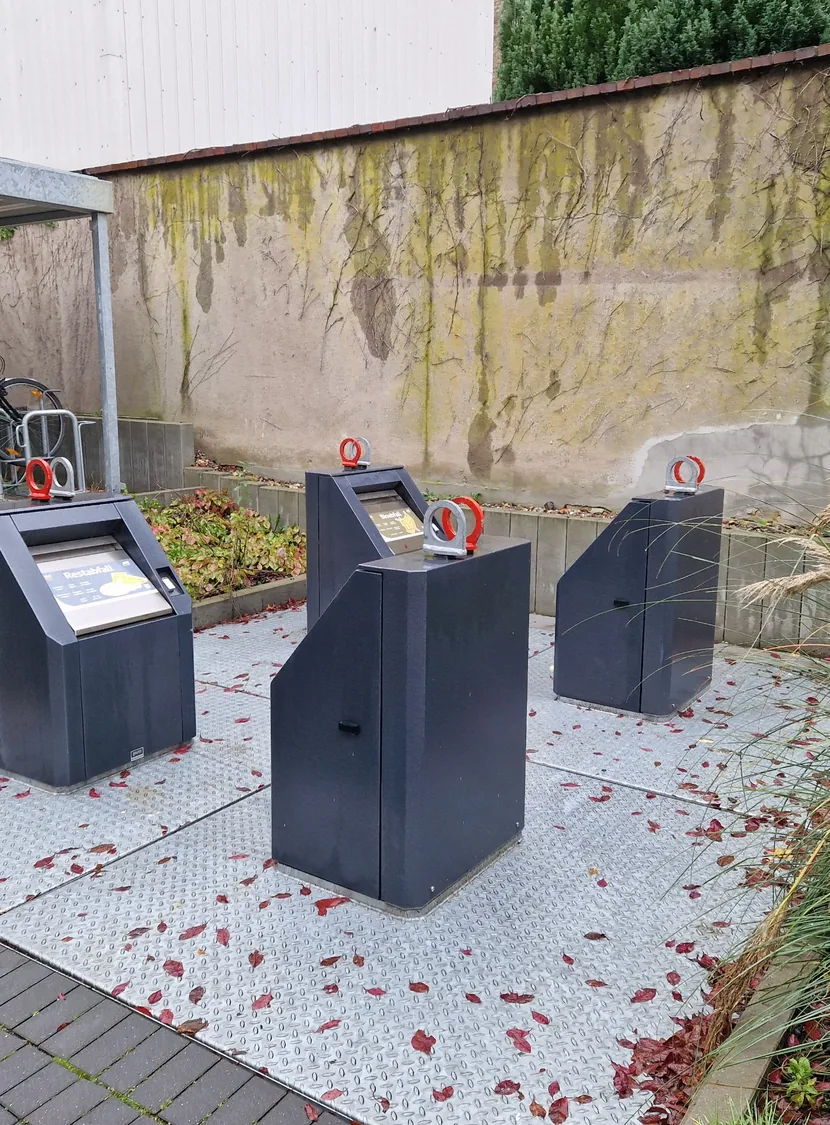
Empty underground containers when they are full.
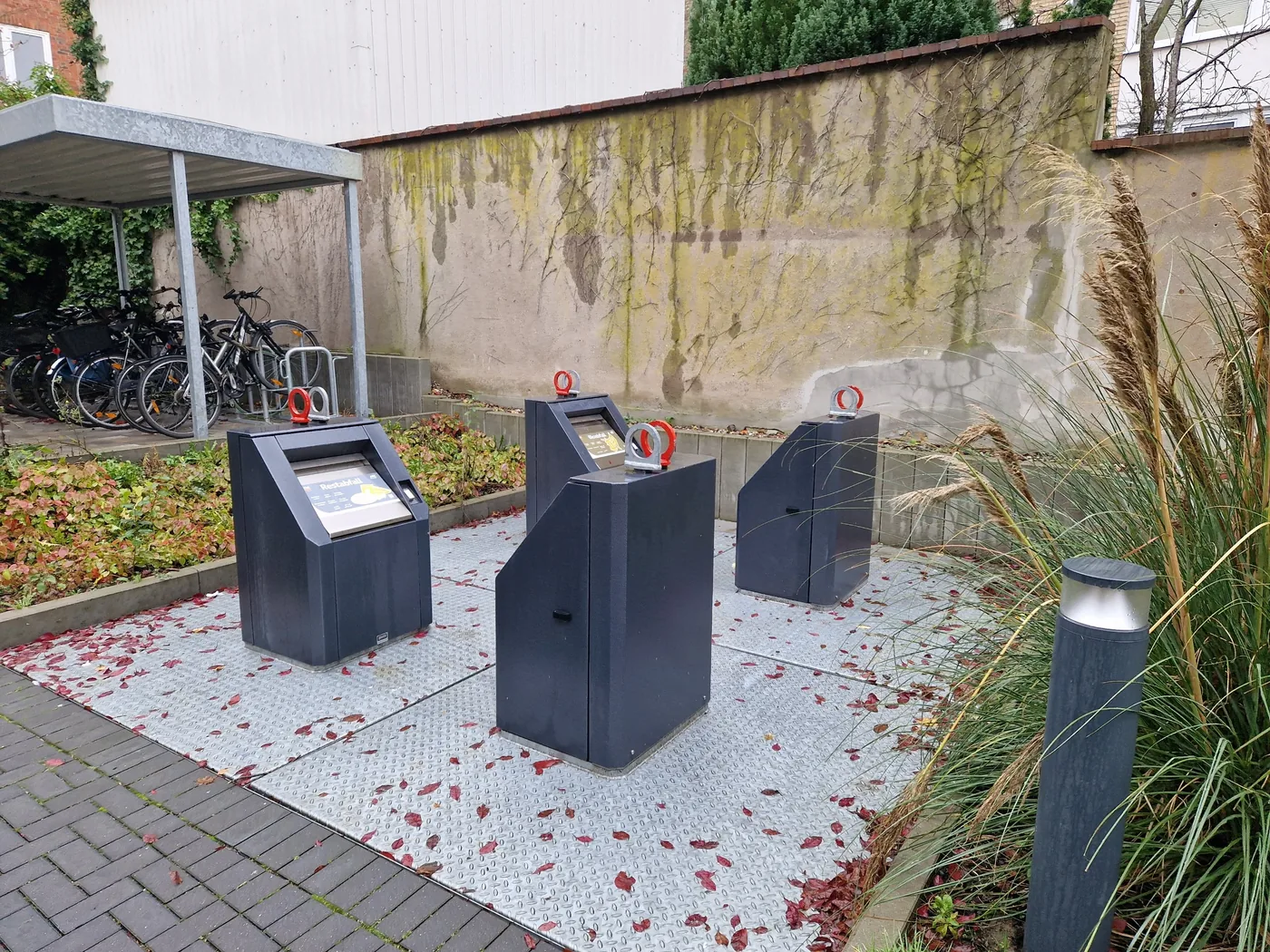
Nobody can see from above how full an underground container is. The PhilRay fill-level sensor measures inside the container, and the platform plans the crane collection on demand – for underground and semi-underground systems.
Where underground systems cost money today
Fill level out of sight
The container sits underground. Whether it is full only shows when the crane lifts it.
Crane collection by calendar
Every visit needs the crane vehicle. Fixed rhythms lift half-empty containers too – costly trips with no benefit.
Dumping next to the site
When a container is full, waste ends up beside it. Cleaning costs extra and the streetscape suffers.
More sites, the same vehicle
Every new site makes the round longer – until one crane vehicle is no longer enough.
From measurement to tour
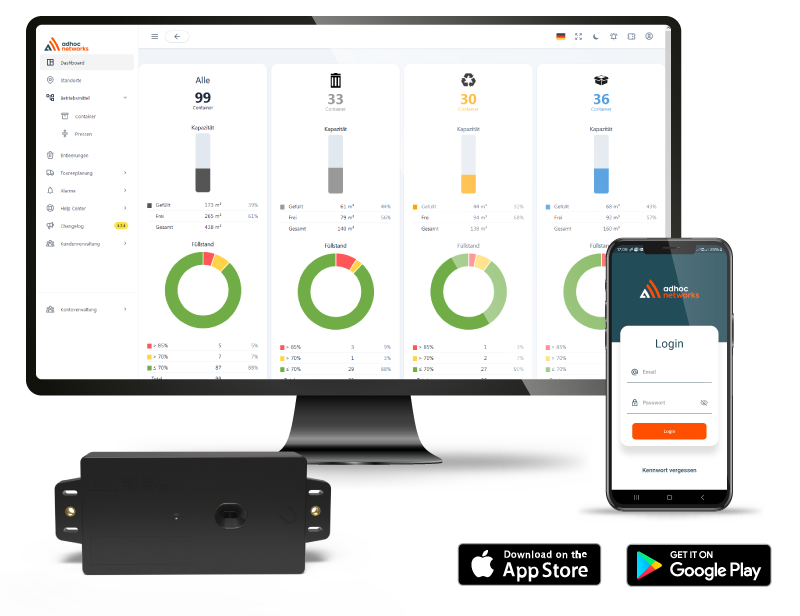
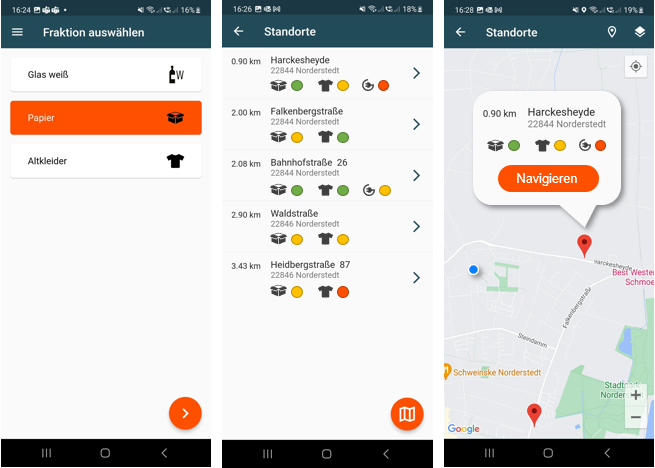
Fill levels of every underground container on the dashboard and the map, a forecast of when each will be full – and the tour only visits the sites that need it.
How underground is measured
Underground systems are rough: dirt and condensation in the container, steel and concrete all around. The measuring principle and bracket are built for that – and where reception is not enough after all, an antenna can be added.
Radar against soiling
Underground containers get dirty fast. Here we recommend the radar principle: it measures through deposits and condensation where an optical reading goes blind.
A bracket for the interface
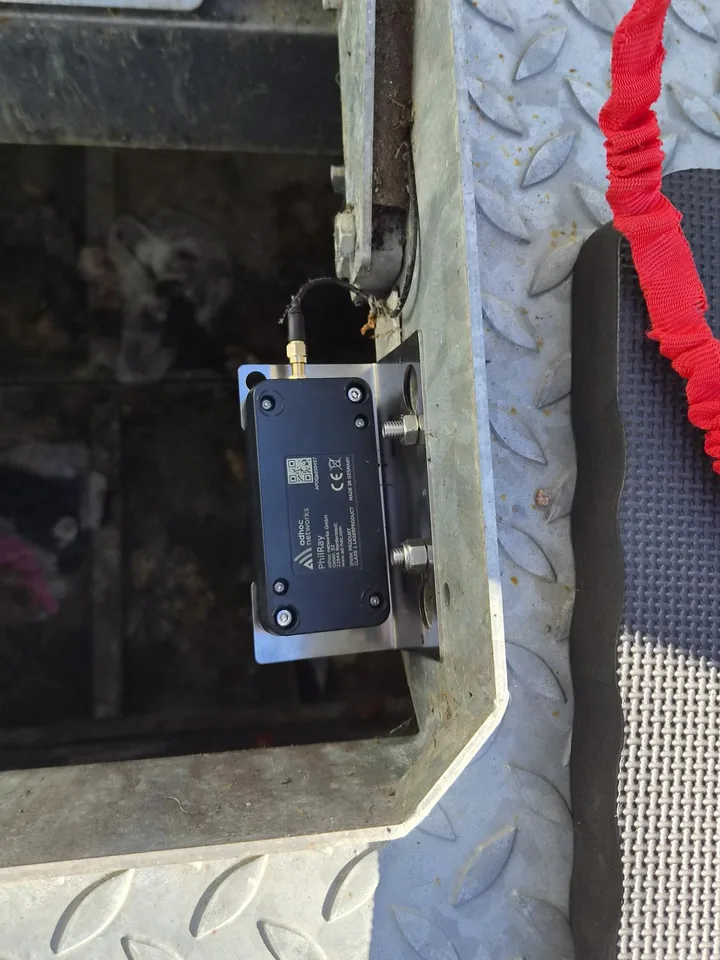
The sensor sits at the interface provided in the container. We supply brackets cut to the interfaces of the common underground systems.
An antenna port for the exception
The built-in antenna is usually all it takes. For sites with very poor reception the sensor also has a port for an external antenna.
External antenna, only if needed
Where steel and concrete do block the signal, a small puck antenna outside on the drop column restores reception – retrofittable.
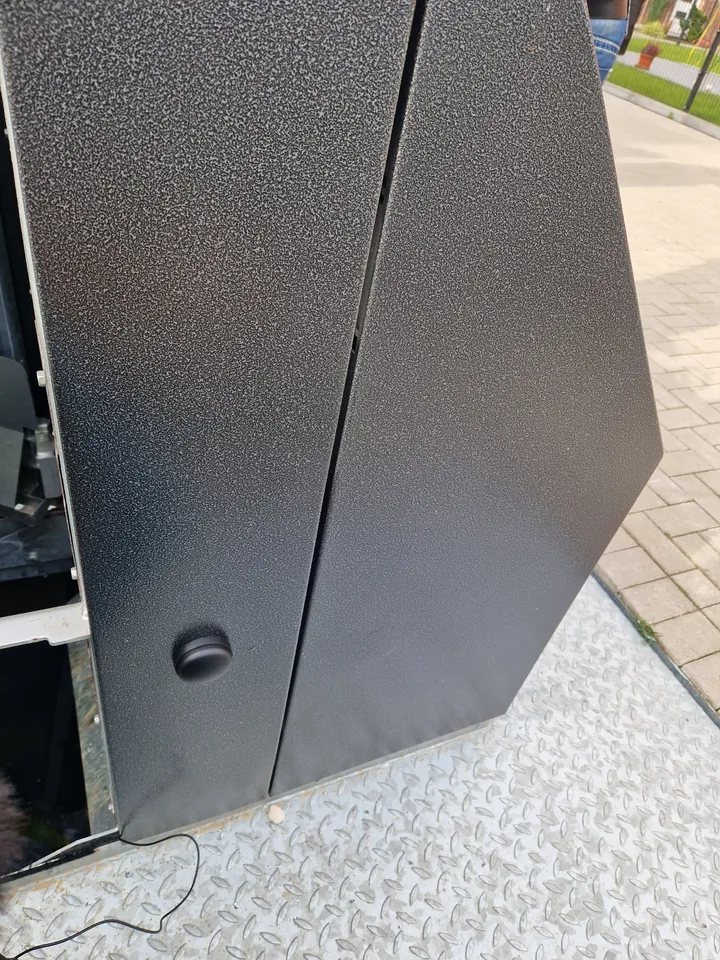
How the sensor goes into the container
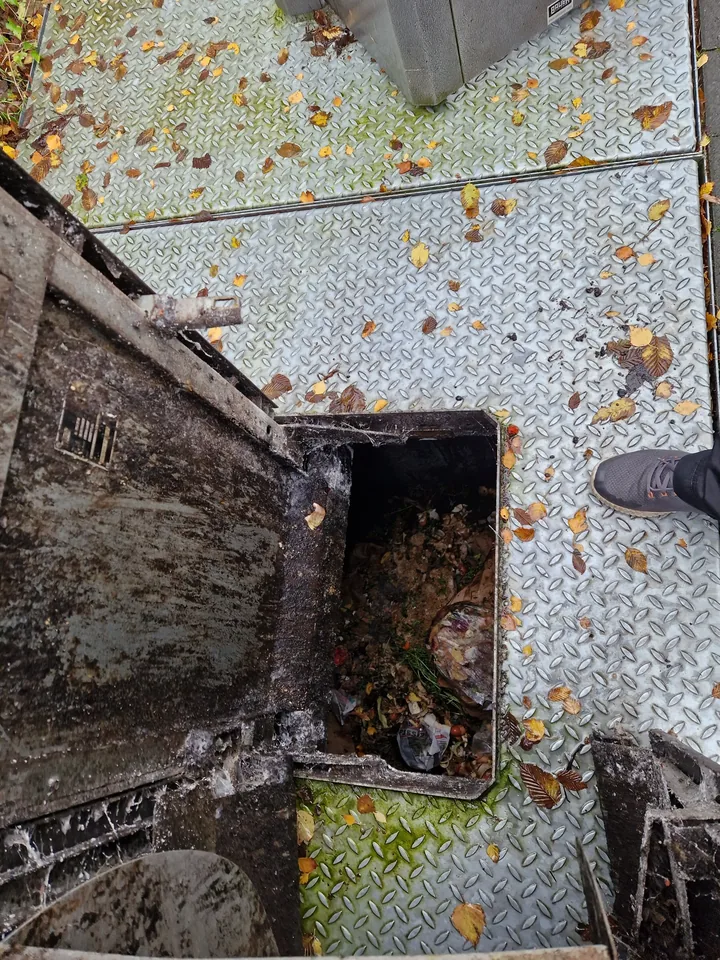
The sensor is fixed to the interface inside the underground container – with a bracket cut to fit. No drilling, no wiring, no changes to the system.
- Installed in minutes per container
- After installation the sensor registers itself
- Retrofit during normal operation
For semi-underground too
Semi-underground containers sit partly in the ground and are emptied by crane as well. Here too the sensor sits at the interface inside the container – measurement, collection detection and tour planning work just as with underground systems.
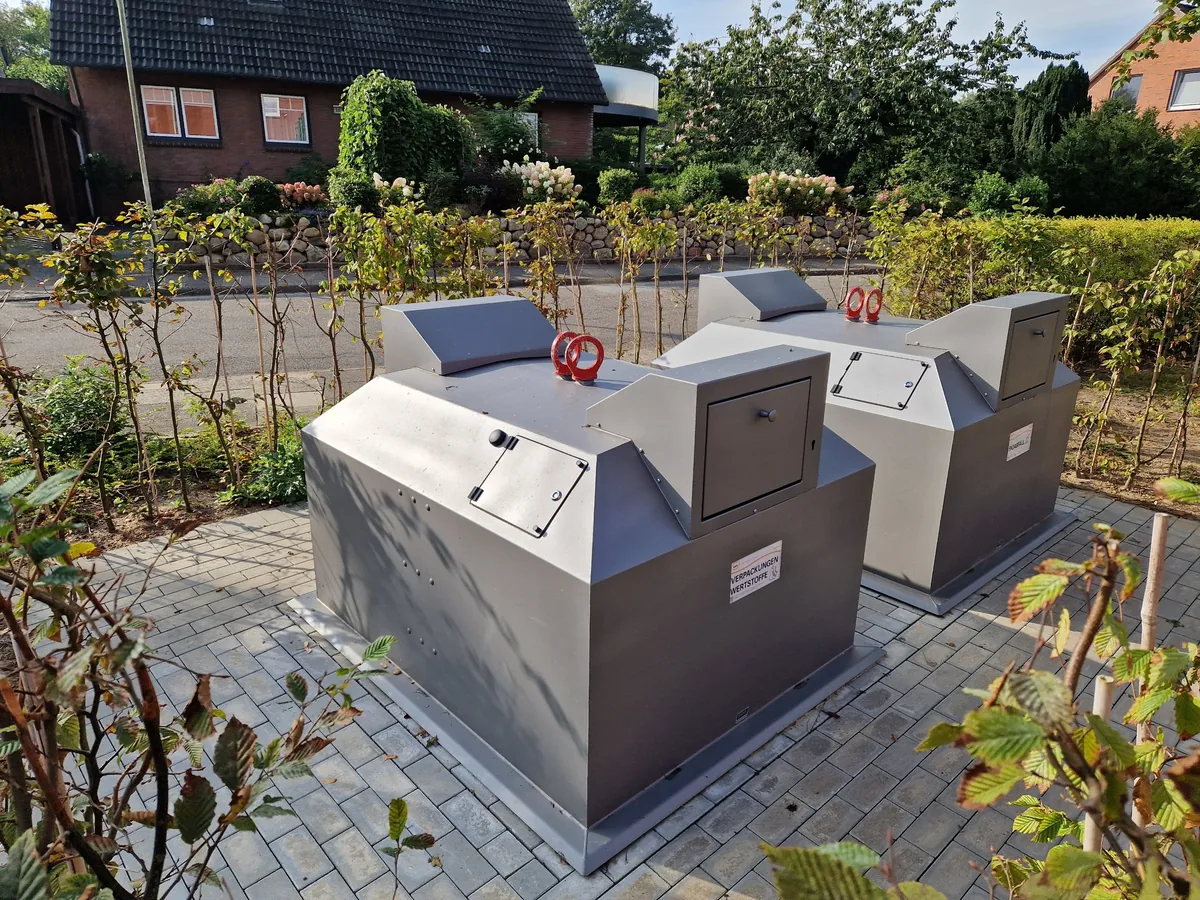
What the sensor does underground
Radar and optics
Both measuring principles in one sensor. You decide which reading leads – underground usually radar.
Collection detected
An acceleration sensor detects the crane lift and records the volume before and after.
Forecast and tours
The platform forecasts when each container will be full and plans the tour by fill level.
Good reception out of the box
LTE-M, NB-IoT or LoRaWAN with a built-in antenna – enough almost everywhere. Only where the network is very weak is an external antenna added.
Matching brackets
Brackets for the interfaces of common underground systems – mounted in minutes.
Battery
Replaceable batteries designed for 5 years. A low charge level is reported.
In use on underground systems
AWR
Rendsburg-Eckernförde296underground containers
ABK Kiel
Kiel162underground containers
ENNI Stadt & Service
Moers100underground containers
Betriebsamt Norderstedt
Norderstedt92underground containers
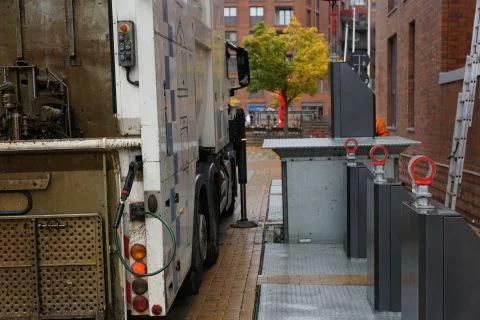
ABK Kiel saves over 60 underground collections a month
267 fewer collections in four months for the same amount of waste – collected from 50 % fill level, next from 70 %.
The building blocks for this use case
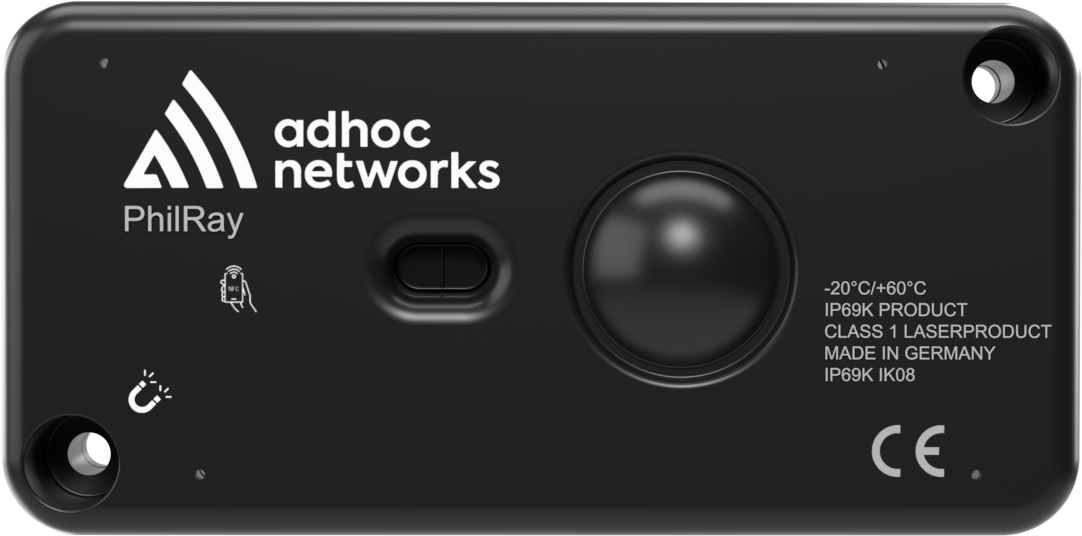
Frequently asked questions
Which measuring principle suits underground systems?
PhilRay measures optically and by radar. Underground we recommend radar as the leading reading, because underground containers soil quickly and form condensation – radar measures through such deposits.
Does the sensor fit our system?
The common underground systems have an interface for sensors, and we offer brackets cut to fit. Tell us the make and model – we will check it in advance.
Do we need an external antenna?
Usually it is not an issue: the built-in antenna is enough in almost all cases, even underground. Only where reception is really poor do we connect an external antenna – a small puck outside on the drop column. It can be added later too.
Does it work with semi-underground containers too?
Yes. Semi-underground containers also have an interface for the sensor; measurement, collection detection and tour planning work the same way.
Does the sensor detect the collection?
Yes. An acceleration sensor detects the crane lift; the platform records the collection with the fill level before and after.
How much does it save?
At ABK Kiel it was 267 fewer collections in the first four months for the same amount of waste, collected from 50 % fill level. A higher threshold saves more.
Are we notified when a container is nearly full?
Yes. As soon as an underground container reaches the threshold you set, the platform automatically sends a message by email, SMS or push. The message can also go to your customers – a housing company, say – and the crew on the crane vehicle – with their own access they only see their own sites.
Your underground and semi-underground containers – where should we start?
Tell us your systems and the number of sites – we will show you fill levels, forecast and tours live.