
 DE
 EN
Managing textile containers digitally.
Log collections with a scan, measure fill levels where it pays off and plan tours on demand – with or without a sensor. Every site on one platform.
Where the textile tour gets stuck today
Overflowing containers
Bags next to the container, complaints from residents and trouble with the municipality.
Driving by the calendar
Fixed rounds: a half-empty container here, an overflowing one there.
Knowledge in people’s heads
Which sites fill up when is often known only to experienced drivers – and lost when staff change.
No records
When was which container emptied, and how full was it? Without data it stays a guess.
How a tour runs with adhoc.smartwaste
See what is full
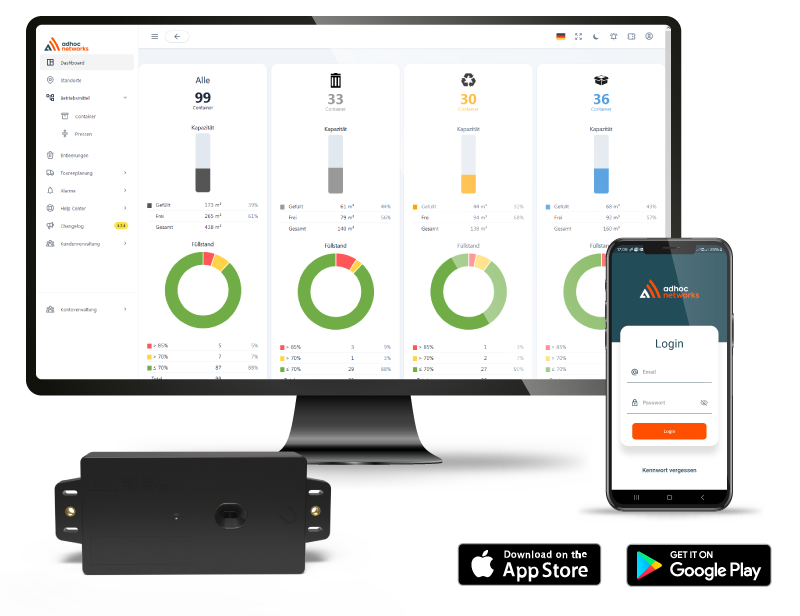
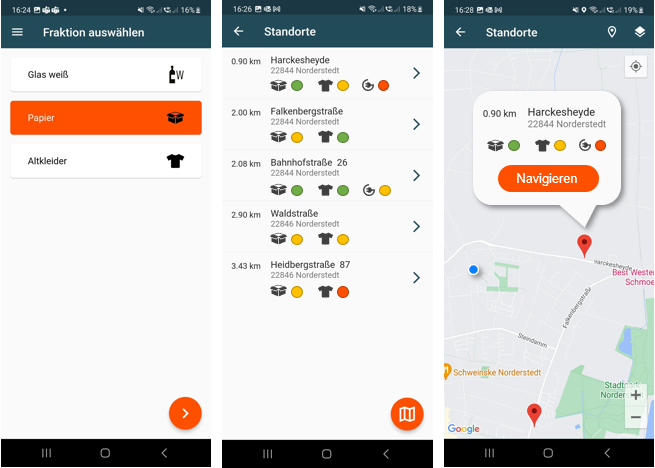
The app lists every textile container – with a sensor the measured fill level, without one the last collection.
Navigate to the container
Tap the container, start navigation – the route leads straight to the site.
Scan the QR code
Scan the QR code on the container – the app opens exactly that container.
Log the collection
With a sensor the measured fill level is taken over; without one the driver picks it with a tap. Confirm – done.
Start without a sensor, expand with one.
You decide per site how far to go. The stages build on each other – and can be combined freely.
- 01No sensor
Manage containers and log collections
Every container gets a QR code. The driver scans it at collection and picks the fill level – and the record is done.
- Map containers and sites digitally, with photos and notes
- Log a collection by QR scan in the app, fill level included
- Document recurring inspections
- Analyse collected volumes, import and export from existing systems
The logged collections alone produce forecasts – and with them tours on demand, no sensor needed.
- 02With sensor
Measure fill levels
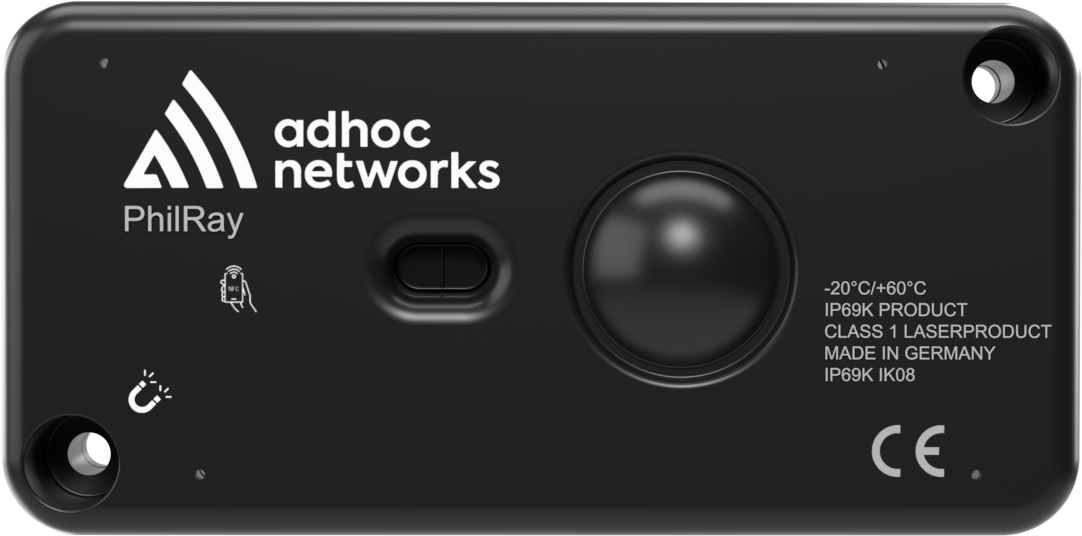
A fill-level sensor reports how full the container is – even where nobody passes by for a long time.
- Record fill level and temperature
- Configure the full alert freely
- Alarm when a container moves unexpectedly
- Installed on site in 10 minutes, long battery life
Worth it at selected sites only, too – such as remote ones, where every wasted trip is expensive.
- 03Tour planning
Plan tours on demand
The platform builds the tour from forecasts and fill levels – the driver gets it on the smartphone.
- Routes based on fill levels and forecasts
- Makes the job easier, especially with changing staff
- Avoids unnecessary trips
- Saves time, cost and CO₂
Works with both data sources: logged collections and measured fill levels.
Combine the stages freely
You do not have to pick one stage. A mix is typical: QR scanning on every container, sensors only at remote or busy sites – tour planning works with both. You can expand at any time.
What it looks like at Stadtreinigung Hamburg
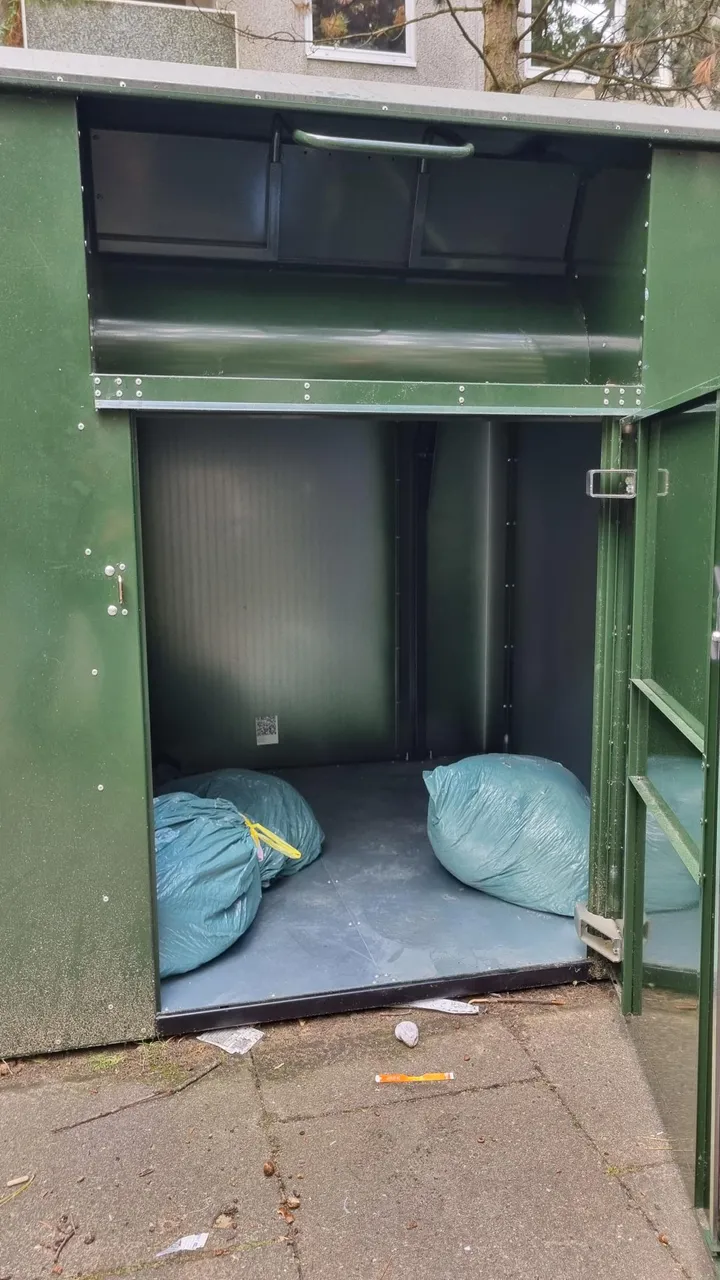
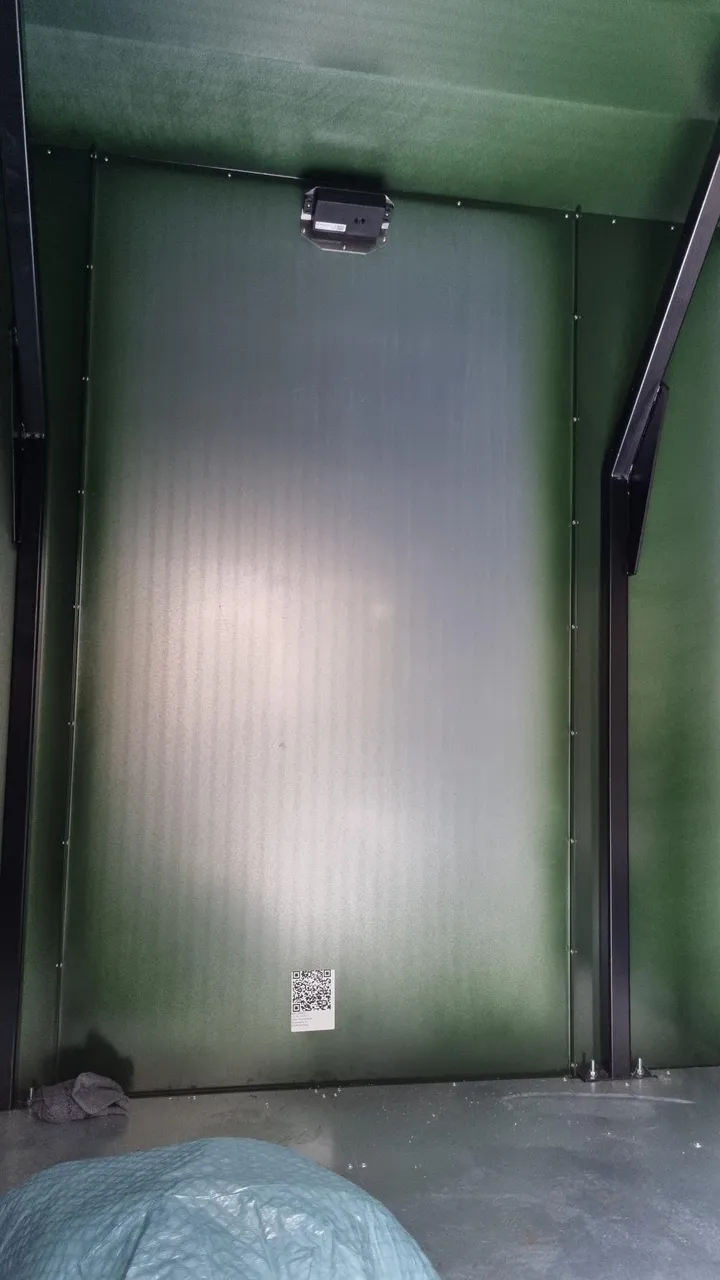
A textile container run by Stadtreinigung Hamburg, equipped for both ways: a sensor for the fill level, a QR code for logged collections.
Fill-level sensor high on the back wall
Measures down onto the bags and reports the fill level to the platform.
QR code low inside the container
When emptying, the driver scans the code and logs the collection in the app.
In use on textile containers
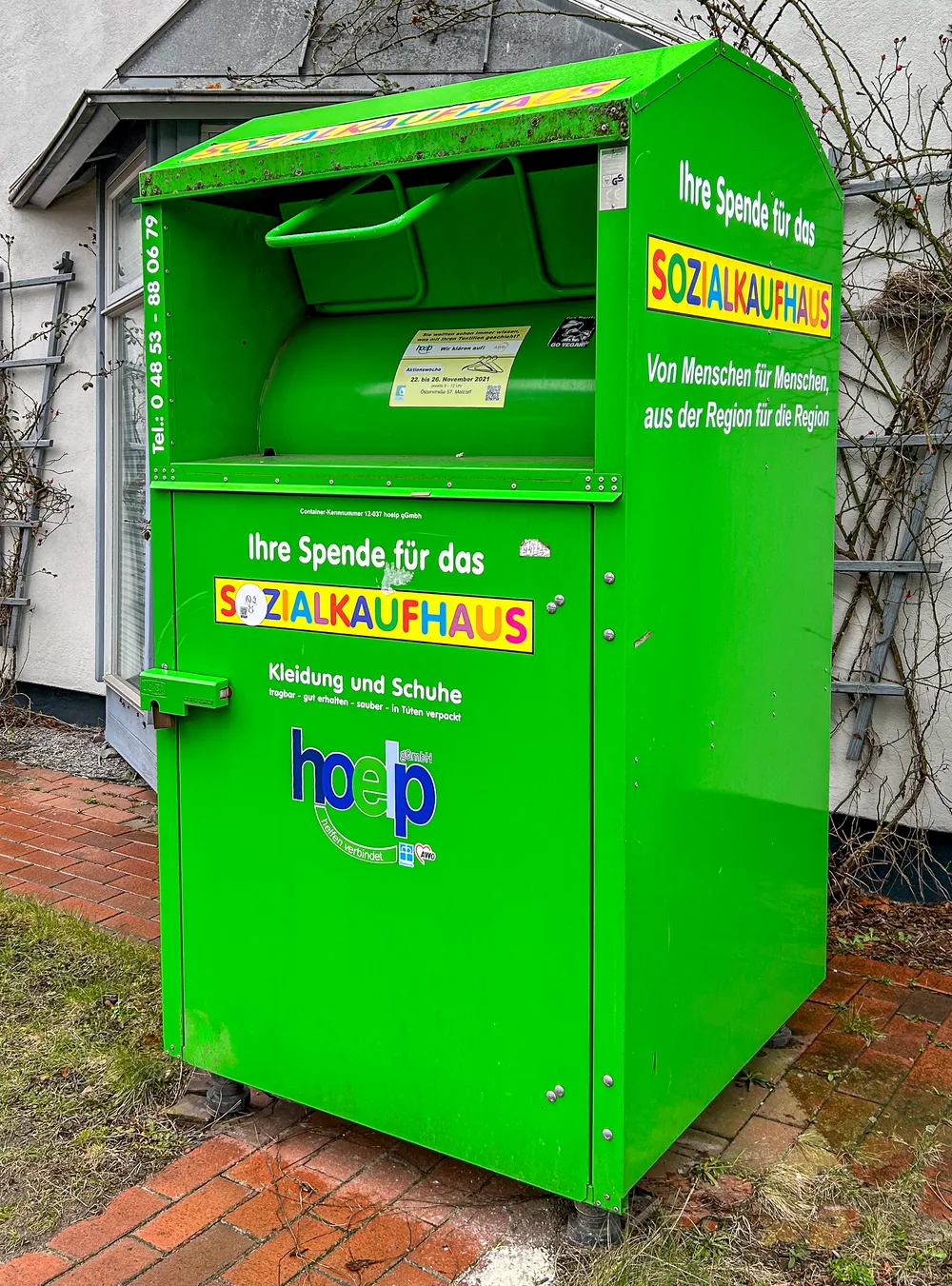
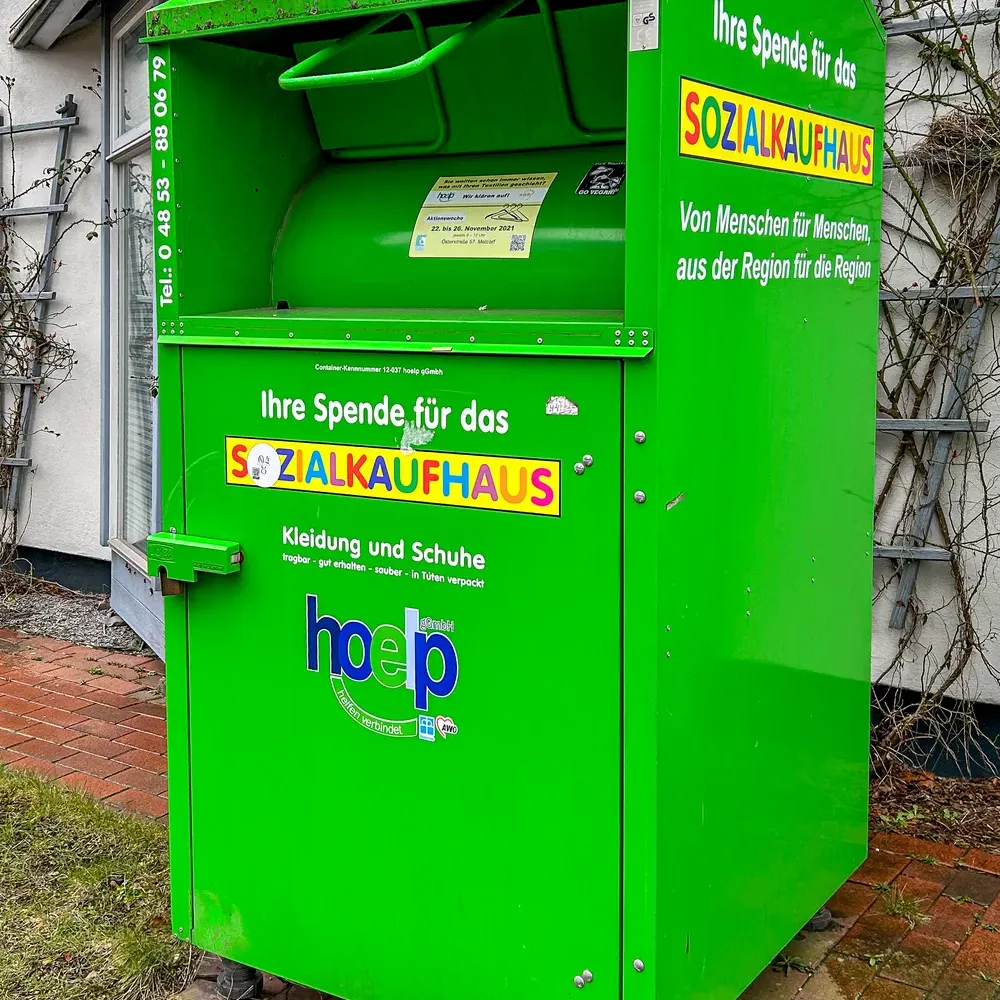
hoelp gGmbH
Meldorf80textile containers
Stadtreinigung Hamburg
Hamburg50textile containers
GELSENDIENSTE
Gelsenkirchen239textile containers
Betriebsamt Norderstedt
NorderstedtTextile containers across the city
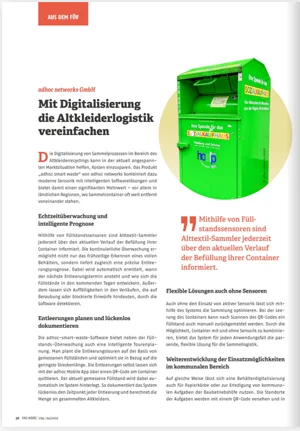
Case study hoelp gGmbH: textile logistics with sensors
hoelp gGmbH in Meldorf fitted its textile containers with sensors – first to document collected volumes per site, then for tours with optimised collection intervals.
The building blocks for this use case
Frequently asked questions
Do I need sensors to get started?
No. Stage 1 only needs QR codes on the containers and the adhoc.smartwaste app. You log collections, record the fill level when emptying and have every collection documented.
Do forecasts and tour planning work without a sensor?
Yes. From the logged collections and the fill levels recorded with them, the platform works out when a container is due again – and plans the tour accordingly.
Can I use sensors at individual sites only?
Yes – that is in fact the most common setup. Sensors pay off above all at remote or busy sites; all other containers run on QR scanning. Tour planning uses both data sources.
How much work is installing a sensor?
Installation takes about 10 minutes on site. Sensor and container are paired in the app.
Can adhoc.smartwaste connect to our existing systems?
Yes. Container data can be imported and exported, and the API makes all data available to your other systems as well.
Are we notified when a container is nearly full?
For containers with a sensor, yes: as soon as one reaches the threshold you set, the platform automatically sends a message by email, SMS or push. The message can also go to your partners and site owners – with their own access they only see their own sites.
Your textile tour – where should we start?
Tell us how many containers you run and what still gets stuck – we will show you what it looks like with adhoc.