
 DE
 EN
Plan litter bin tours digitally and prove them.
Every litter bin gets a QR code: confirm the collection with a scan, report the fill level with a tap, plan tours on demand – no sensor needed. At hotspots a sensor makes sure nothing overflows.
Where the litter bin tour gets stuck today
Hundreds of bins, no overview
Where each bin stands and what type it is lives in lists and heads – not in one system.
Emptying by schedule
Fixed rounds empty half-full bins and still arrive too late at the hotspots.
Overflowing hotspots
At the shopping centre, the town hall or tourist spots every full bin is noticed at once.
No records
When complaints come in, there is no record of when a bin was last emptied and how full it was.
How a litter bin tour runs with adhoc.smartwaste
Attach a QR code
Every litter bin gets a QR code sticker – or an NFC chip where stickers get dirty or damaged.
Record type and site
Record container type and site in the app – the bin appears on the map straight away.
Run the route
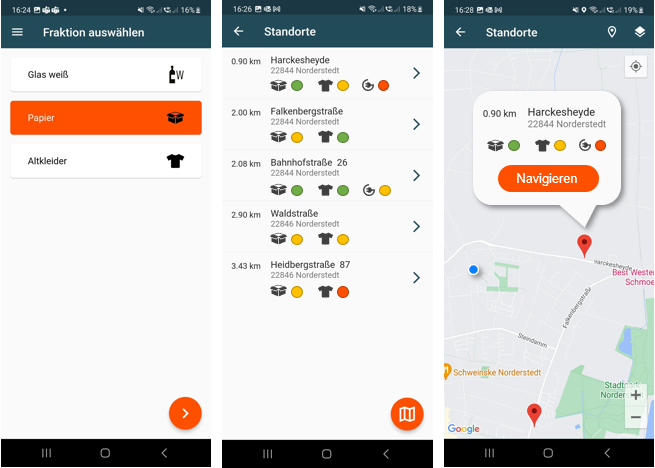
The platform plans the collection route, the app guides to the next bin.
Scan and confirm
Scan the QR code, log the collection and report the fill level with a tap.
Records in the office
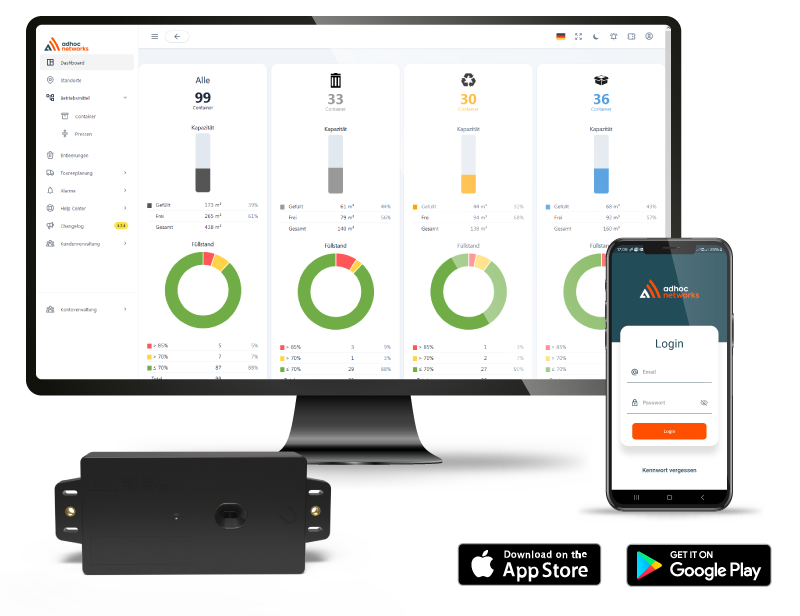
Every collection is documented and proven with time, site and fill level.
Start without sensors, secure the hotspots.
For most litter bins a QR code and the app are enough. Where a full bin must not happen, a sensor is added.
- 01No sensor
QR code and app
The standard across the area: every bin recorded, every collection logged.
- Record bins with type, site and photo
- Confirm collections with a QR scan – or an NFC chip
- Report the fill level with one tap
- Complete records for council and citizens
The logged collections produce forecasts – and with them tours on demand, no sensor needed.
- 02With sensor
Secure the hotspots
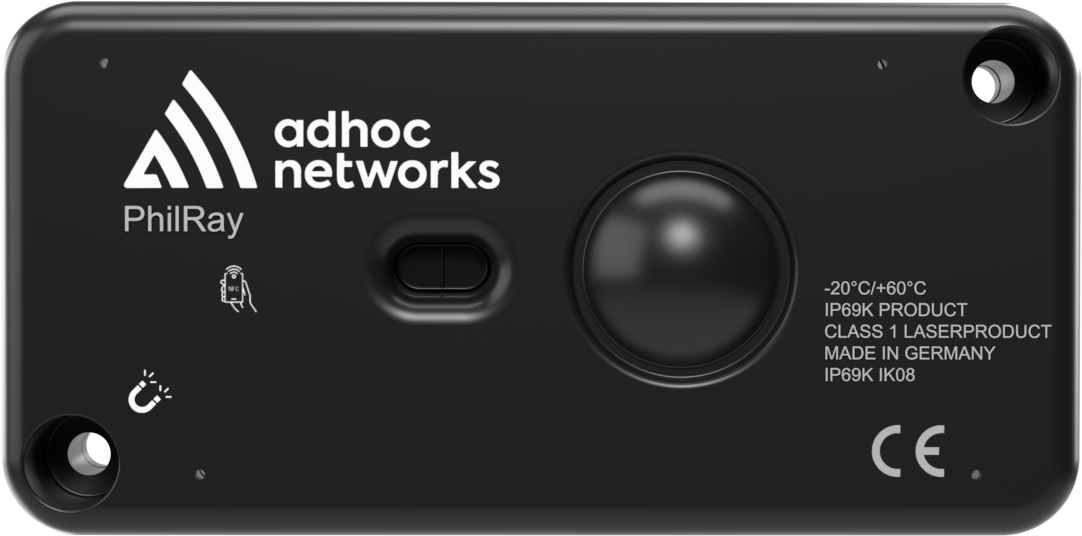
A fill-level sensor under the lid reports before the bin overflows.
- Shopping centres and pedestrian zones
- Town hall, station and stops
- Tourist spots and destinations
- Remote sites that are rarely visited
That way things look good exactly where it shows the most.
- 03Tour planning
Tours on demand
The platform builds the tour from forecasts and sensor reports.
- Full bins first, half-empty ones later
- Route straight to the smartphone
- Fewer trips, fewer complaints
Works with both data sources: logged collections and measured fill levels.
The usual case: mixed
QR codes on every litter bin, sensors only at the hotspots – tour planning works with both. More sensors can be added at any time.
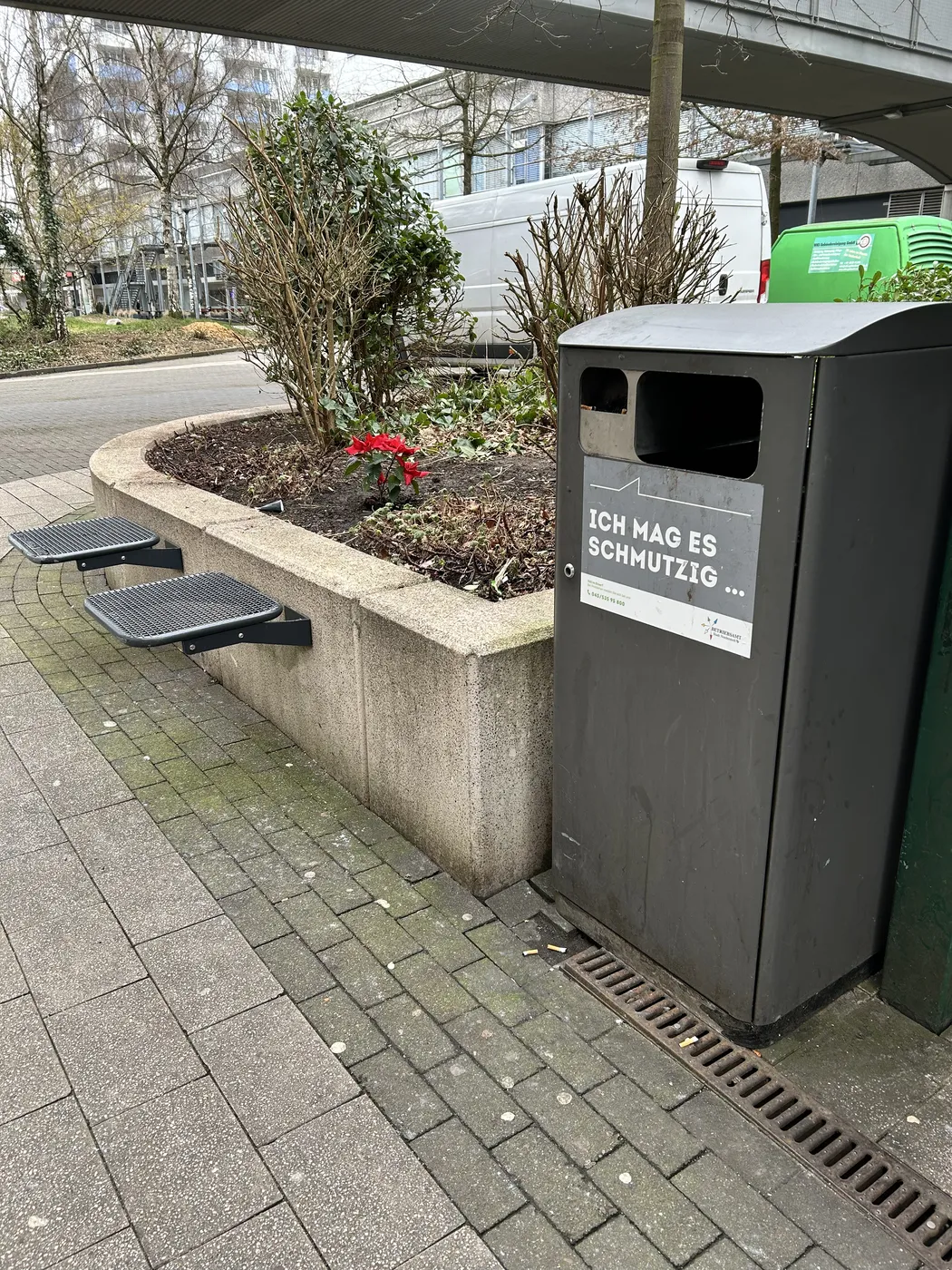
What it looks like in Norderstedt
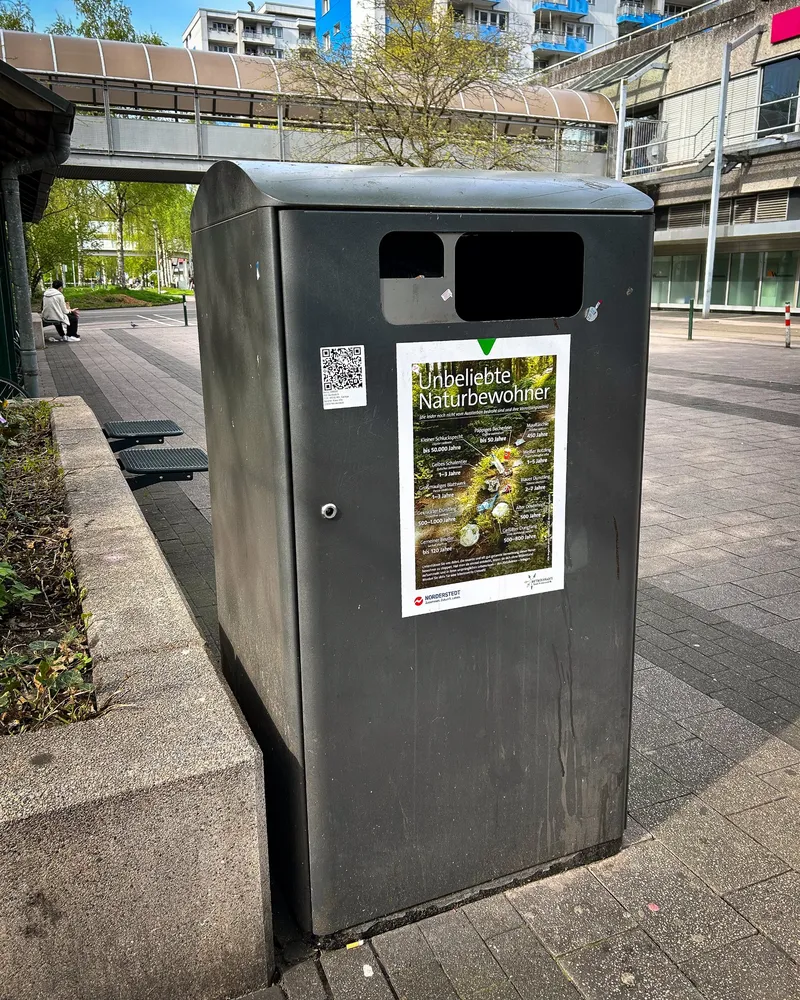
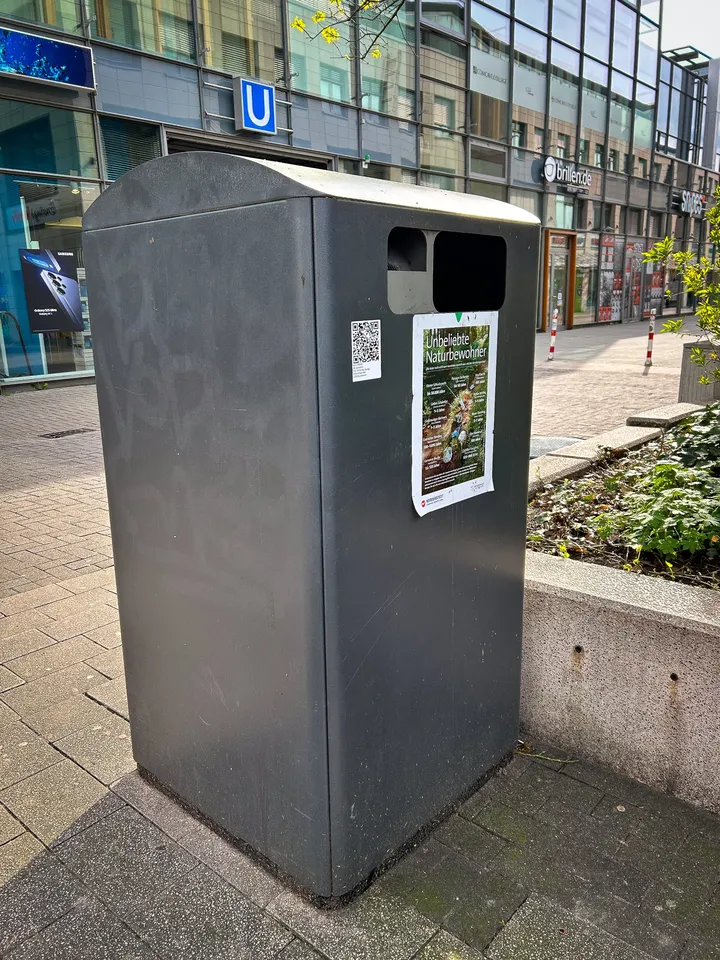
Litter bins of Betriebsamt Norderstedt in the city centre: a QR code for logged collections, plus a sensor at hotspots.
QR code on the side of the bin
When emptying, the driver scans the code and logs the collection in the app.
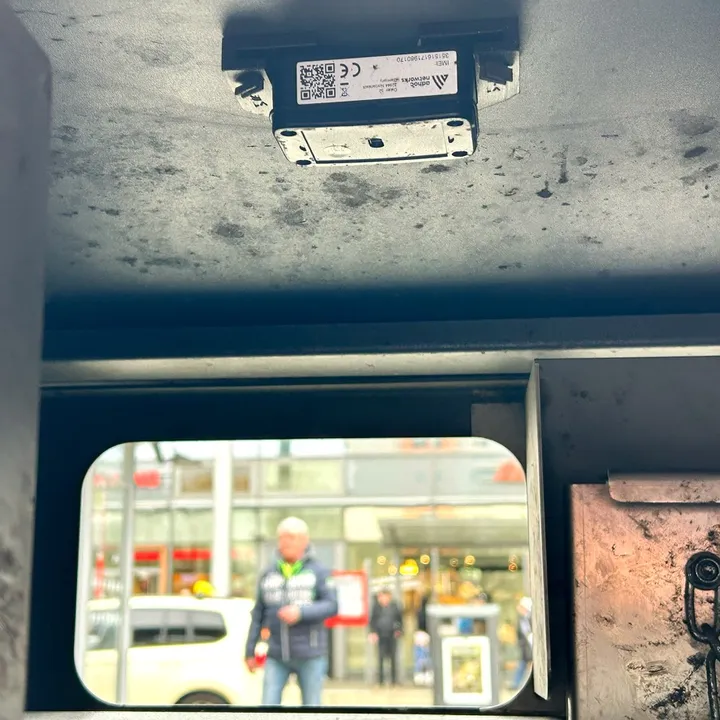
Sensor under the lid
Measures down into the bin and reports before it overflows.
In use on litter bins
ENNI Stadt & Service
Moers1.300litter bins
all with sensors
Betriebsamt Norderstedt
Norderstedt1.000litter bins
140 of them with sensors
ABK Kiel
Kiel300litter bins
in a trial
The building blocks for this use case
Frequently asked questions
Do we need a sensor in every litter bin?
No. For most litter bins a QR code and the adhoc.smartwaste app are enough. Sensors pay off where a full bin is especially noticeable or where nobody passes by often.
How do the litter bins get into the system?
Attach the QR code, scan it, record container type and site in the app – done. The bin appears on the platform map straight away.
What if the QR code is dirty or damaged?
Then use an NFC chip instead of the sticker. The driver holds the smartphone against the bin and logs the collection just as with a scan – even when the bin is dirty or covered in stickers.
Does tour planning work without a sensor?
Yes. From the logged collections and the fill levels reported with them, the platform works out when a bin is due again and plans the tour accordingly.
How do we prove collections when complaints come in?
Every collection is stored with time, site and fill level, so you can show for each bin when it was last emptied.
Are we notified when a container is nearly full?
For bins with a sensor, yes: as soon as one reaches the threshold you set, the platform automatically sends a message by email, SMS or push. The message can also go to your customers and the crew in the district – with their own access they only see their own sites.
Your litter bins – where should we start?
Tell us how many litter bins you look after and what gets stuck today – we will show you what it looks like with adhoc.